

Discipline is essential for personal and professional growth. It guides us toward achieving our goals and leading fulfilling lives.
This article explores effective discipline strategies across various life domains: self-discipline, parenting, workplace discipline, learning, financial management, health and fitness, and maintaining healthy relationships. You can have a disciplined lifestyle if you follow these strategies.
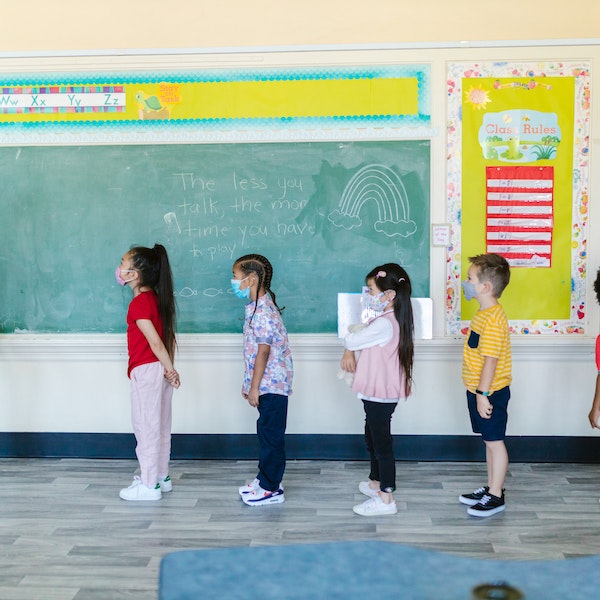
What is discipline?
Discipline is training yourself or others to follow set rules, guidelines, or behaviors to achieve desired outcomes. It involves self-control, consistency, and dedication in your actions.
It is important to make it clear that discipline is not synonymous with punishment. Instead of that, it is about implementing responsibility and accountability.

Importance of discipline
Discipline plays a vital role in personal and professional success. Here are some important characteristics with which discipline can help you.
Stay focused
Discipline helps you to remain focused on your objectives by preventing distractions from coming in your progress.
Overcome obstacles
Discipline often develops resilience in you to overcome obstacles and setbacks that may arise in your life.
Cultivate good habits
Being disciplined teaches you to behave well by adopting beneficial habits such as respecting others or meeting someone with greet.
Enhance time management skills
Effective time management is a basic part of discipline. You should ensure that tasks are completed efficiently and on time.
Boost self-esteem and confidence
Following rules and regulations makes you consistent in meeting your goals, along with growing your self-esteem and confidence.

Self-discipline
Cultivating self-control
Self-control is the basis of self-discipline, which is the ability to manage impulses and emotions to stay committed to long-term goals.
Developing self-control involves identifying triggers, being mindful, and rewarding oneself for staying disciplined.
Setting clear goals
Clear, achievable goals are essential for self-discipline. They provide a roadmap for breaking down larger goals into manageable tasks and monitoring progress regularly.
Creating a structured routine
A proper daily routine can help you maintain self-discipline. You can allocate specific time for important tasks and follow a schedule to develop consistency, reinforcing discipline over time.
People who cultivate self-discipline are more likely to achieve their goals, both personal and professional.

Parenting discipline
Effective parenting discipline strategies create a nurturing environment for a child’s growth and development.
Positive reinforcement
Parents can use positive reinforcement to instil discipline in their children rather than solely relying on punishment. For instance, you can praise and reward your kids for good behavior to follow discipline.
Consistency in rules
Children succeed when rules and consequences are consistent and fair. A predictable environment enables a secure and understanding discipline.
Leading by example
Parents can make their children disciplined by following disciplined behaviors in their own lives, such as demonstrating responsibility, respect, and self-control sets a powerful example.

Discipline in the workplace
Workplace discipline is vital for productivity and a harmonious work environment.
Effective time management
Time management is at the core of workplace discipline. Prioritizing tasks, setting deadlines, and avoiding multitasking enhance efficiency and discipline.
Constructive feedback
An informed team is more likely to stay disciplined and achieve better results. So, you should provide constructive feedback to employees, encourage open communication and address issues promptly.
Team accountability
Accountability within a team encourages members to take ownership of their tasks and deliverables. It aids in maintaining discipline and improving outcomes.

Maintaining discipline in learning
Discipline is essential for academic success, whether one is a student or a lifelong learner.
Students who practice disciplined study routines are more likely to achieve top grades and have better long-term educational outcomes.
Study techniques
Learning effective study techniques, such as time management, note-taking, and active learning, enhances discipline in the learning journey.
Time management for students
Students often have multiple responsibilities and effective time management ensures a balance between academics and other commitments.
Staying consistent in learning
Consistency in learning efforts is paramount. Establishing regular study sessions and being consistent with them turns discipline into a habit, resulting in academic achievements.

Discipline in financial matters
Financial discipline is critical for a secure future.
Budgeting and savings
Creating a budget outlining income and expenses, with allocations for savings and investments, ensures financial stability and discipline.
Avoiding impulsive spending
The best thing is to apply restraint when it comes to spending, distinguishing between needs and wants, and avoiding impulsive purchases are key elements of financial discipline.
Long-term financial planning
Planning for long-term financial goals, such as retirement and homeownership, requires discipline in saving and investing to attain financial freedom.

Discipline in health and fitness
Maintaining physical and mental well-being demands discipline. Adopting healthy habits is a part of discipline.
Regular exercise routine
Establishing a consistent exercise routine is a cornerstone of physical discipline. Regular workouts contribute to better health and vitality.
Balanced diet
Maintaining a balanced diet involves disciplined choices about nutrition. A proper diet is necessary for overall well-being.
Mental wellness
Prioritizing mental wellness through practices like mindfulness and stress management is an essential aspect of discipline for holistic health.

Discipline in relationships
Discipline in relationships is vital for maintaining harmony and fostering growth.
Effective communication
Effective communication is important for resolving conflicts and nurturing healthy relationships. Discipline in listening and communicating feelings to make relationships work.
Respect and boundaries
Respecting boundaries and personal space, along with setting and maintaining mutual respect, underpins disciplined and respectful relationships.
Resolving conflicts
Discipline in handling conflicts by approaching them constructively, seeking compromise, and showing empathy is required to strengthen relationships.

The role of motivation
Understanding the relationship between motivation and discipline is crucial.
Motivation and discipline are interconnected. Motivation provides the initial purpose, and discipline sustains the effort required to achieve long-term goals.
Staying Inspired
Finding sources of inspiration and motivation can maintain discipline during challenging times, ensuring the pursuit of goals remains steadfast.

Overcoming common challenges
Discipline faces various challenges, and recognizing and addressing them is essential.
Procrastination
Procrastination is a common obstacle to discipline. So, you have to overcome it by adopting methods like setting specific goals, breaking tasks into smaller steps, and eliminating distractions.
Lack of focus
Maintaining focus can be challenging. You can use techniques such as time blocking, mindfulness, and meditation to help improve concentration and discipline.
Dealing with setbacks
Setbacks are a part of life. Discipline involves resilience and the ability to bounce back from failures, using them as learning experiences to fuel future success.
Takeaway
Discipline guides us toward our aspirations. It ensures self-control, consistency, and accountability, enabling us to navigate life’s challenges. Discipline is a major aspect of personal growth, parenting, the workplace, learning, finances, health, or relationships.
You can have a more prosperous and fulfilling future if you follow these strategies and stay committed. So, adopt discipline in every walk of life to be respected by everyone.
